Nepal has become a preferred destination for filmmakers, documentary creators, commercial producers, and international production teams because of its incredible landscapes, cultural diversity, and unique filming opportunities.
From the Himalayan mountains and remote villages to busy city streets and historical locations, Nepal offers endless visual storytelling possibilities. However, capturing these environments professionally requires the right cinema camera equipment.
Choosing the right cinema camera rental in Nepal can significantly impact your production quality, workflow, and overall budget. Different projects require different camera systems depending on factors such as location, lighting conditions, shooting style, and post-production requirements.
Whether you are an international producer, cinematographer, documentary filmmaker, or local production company, renting professional cinema cameras in Nepal allows you to access high-end equipment without the challenges of transporting expensive gear internationally. Professional cinematographers and producers often reference cinematography associations and guidelines for best practices.
Kimbu Rental provides professional camera and film equipment rental solutions in Nepal for filmmakers, production teams, and creative professionals.
What Makes a Professional Cinema Camera Different?
Many filmmakers wonder why they should choose a cinema camera instead of a standard DSLR or consumer camera.
Professional cinema cameras are designed specifically for film production workflows and provide advanced features needed for high-quality filmmaking.
1.Superior Image Quality and Dynamic Range
One of the biggest advantages of cinema cameras is their ability to capture more detail in challenging lighting situations.
Professional cinema cameras offer:
- Greater dynamic range – Dynamic range refers to how much detail a camera can capture between the brightest and darkest part of an image. For example, when filming a mountain scene during sunrise, a regular camera may lose details in the bright sky or darker landscape areas. A cinema camera can preserve more information, giving filmmakers a more balanced and cinematic image.
- Better highlight and shadow detail – Cinema cameras handle difficult lighting situations more effectively. This allows filmmakers to maintain details in bright areas such as sunlight, snow, and skies while also preserving details in shadows.
- Professional color reproduction – Color plays a major role in storytelling. Professional cinema cameras are designed to capture accurate colors and natural skin tones, helping filmmakers achieve realistic and cinematic appearance. This is particularly important for commercials, feature films, and international productions where visual consistency is required.
- More flexibility during color grading – Cinema cameras record footage in formats that provide more information for editors and colorists. This allows production teams to adjust colors, exposure, contrast, mood, and overall visual style. For post-production workflows, many professionals use professional color grading software. This is especially important when filming in Nepal, where productions may move between bright mountain environments, forests, indoor locations, and changing weather conditions.
2.Professional Recording Formats
Another major difference between consumer cameras and cinema cameras is the ability to record professional formats designed for filmmaking workflows.
Cinema cameras commonly support:
- RAW recording: RAW footage captures maximum image information directly from the camera sensor. This gives filmmakers greater control during post-production, especially when adjusting exposure and colors.
- ProRes workflows: ProRes is widely used in professional editing environments because it provides high-quality footage while maintaining efficient file handling. It is commonly used for documentaries, commercials and film productions.
- Professional codecs and High Resolution: Cinema cameras support advance codecs and high-resolution recording options that help productions achieve better image quality and smoother editing workflows. These features are especially useful for projects that require visual effect, large-screen presentation, or detailed image processing.
3.Designed for Professional Film Production
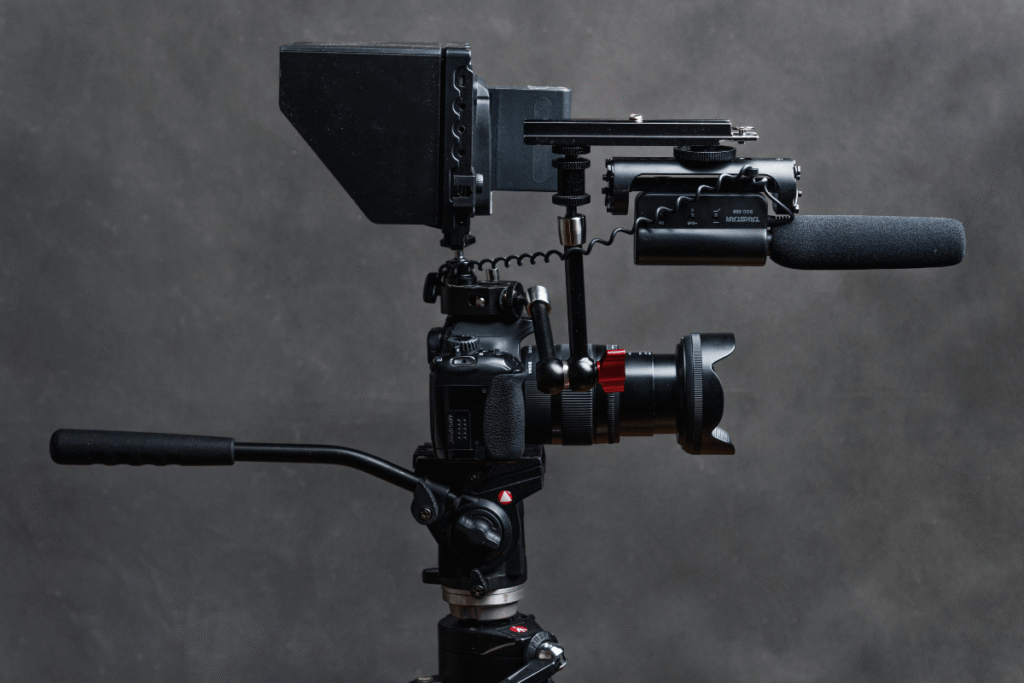
Cinema cameras are built to work with professional filmmaking accessories.
Unlike standard camera, cinema systems are designed to integrate with:
- Cinema lenses
- Camera rigs
- External monitors
- Follow focus systems
- Stabilization equipment
This makes them suitable for feature films, documentaries, commercials, and international productions. A complete camera setup allows filmmakers to create smoother workflows and achieve more creative control during filming.
Best Cinema Cameras Available for Rent in Nepal in 2026
The best cinema camera depends on the requirements of your production. No single camera that works perfectly for every project. The right choice depends on your storytelling style, location, budget, crew size, and final output requirement.
1.ARRI Cinema Cameras: The Industry Standard for High-End Productions
ARRI cameras are widely recognized as some of the most respected cinema cameras in the global film industry.
They are commonly used for:
- Feature films
- High-end commercials
- Television productions
- International film projects
Why Filmmakers Choose ARRI Cameras
ARRI cameras are known for their exceptional image quality and natural cinematic appearance.
ARRI systems are known for:
- Exceptional color science: ARRI cameras are famous for producing natural colors and realistic skin tones. This makes them a preferred choice for narrative filmmaking where character emotion and visual storytelling are important.
- Excellent Dynamic Range: The cameras perform extremely well in difficult lighting conditions, allowing filmmakers to capture detailed images with smooth highlights and shadows.
- Reliable Professional Workflow: ARRI systems are designed for large productions where reliability and consistency are essential.
For productions where image quality and cinematic appearance are the highest priority, ARRI cameras are often the preferred choice.
Best For:
- Feature films
- Luxury commercials
- Narrative filmmaking
- Large production teams
2.RED Cinema Cameras: High Resolution and Production Flexibility
RED Digital Cinema cameras are popular among filmmakers who require high-resolution footage and advanced post-production flexibility.
RED cinema systems are commonly chosen for:
- Commercial productions
- Music videos
- Feature films
- Visual effects-heavy projects
Advantages of RED Cameras
Benefits include:
- High-resolution recording: RED cameras provide highly detailed footage, making them suitable for productions requiring cropping, visual effects, or large-format delivery.
- RAW workflows: RED’s RAW recording provides filmmakers with extensive control over image adjustments during editing and color grading.
- Flexibility for professional editing: For filmmakers who want maximum control over their final image, RED cameras provide excellent flexibility.
For productions requiring detailed images and extensive color grading, RED cameras provide excellent results.
Best For:
- Cinematic commercials
- High-resolution projects
- Creative filmmaking
3.Sony Cinema Cameras: Reliable Solutions for Documentary and Travel Filmmaking
Sony cinema cameras are widely used by documentary filmmakers, travel creators, and productions teams that require mobility without compromising image quality.
For productions filming across Nepal, Sony cinema cameras are often a practical choice because they combine professional image quality with lightweight and efficient setup.
They are especially useful when filming in environments where crews needs to move quickly, such as:
- Remote Villages
- Mountain Regions
- Outdoor Locations
- Cultural events
- Travel documentaries
Why Filmmakers Choose Sony Cinema Cameras
Excellent Low-light Performance: Many documentary and travel productions involve unpredictable lighting conditions. Filming make take place during early morning, evenings, indoor locations, or remote areas with limited lighting equipment. Sony cinema cameras are known for performing well in low-light environment, allowing filmmakers to capture clean and detailed footage without requiring large lighting setups.
Lightweight and Mobile Design: When filming in Nepal’s remote locations, carrying heavy equipment can become challenging. A lightweight cinema camera setup makes it easier for crews to travel, hike, and film in locations where larger production equipment may not be practical.
Fast and Efficient Operation: Documentary filmmakers often need to capture real moments quickly. Sony cinema cameras provide efficient workflows with features that support fast shooting situations. This makes them suitable for productions where there is little time to prepare or repeat scenes.
Best for:
- Documentaries
- Travel films
- Interviews
- Adventure productions
- Remote location filming
4.Canon Cinema Cameras: Professional Quality With Flexible Workflows
Canon cinema cameras are widely used for professional video production because of their natural color output and user-friendly operation.
They are suitable for:
- Commercial videos
- Corporate productions
- Independent films
- Documentary projects
Why choose Canon Cinema Cameras?
- Natural Color Reproduction: Canon cameras are well known for producing natural and pleasing colors, especially for skin tones. This makes them a strong choice for interviews, advertisements, and productions where capturing people naturally important.
- Professional recording options: Canon cinema cameras provide professional recording formats that support high-quality production workflows. These features allow filmmakers to capture footage suitable for professional editing and post-production.
- Flexible lens compatibility: Canon camera system works with a wide range of professional lenses, allowing filmmakers to achieve different visual styles depending on the project requirements. For example, a documentary may require a versatile zoom lens, while a commercial production may use cinema lenses for a more cinematic look. Professional editors often use professional editing software to work with footage from these systems.
5.Blackmagic Cinema Cameras: Affordable Professional Filmmaking
Blackmagic Design cinema cameras have become popular among independent filmmakers and smaller production teams looking for professional image quality at a more accessible level.
They are commonly used for:
- Short films
- Independent productions
- Online content productions
- Creative projects
Benefits of Blackmagic Cinema Cameras
- Professional Image Quality: Despite being more affordable than some high-end cinema systems, Blackmagic cameras can produce professional-quality footage suitable for many production types.
- RAW Recording Options: RAW recording gives filmmakers more control during editing, allowing adjustments to color, exposure, and overall image style.
- Cost effective Production Solution: For filmmakers working with smaller budgets, Blackmagic cameras provide access to professional filmmaking features without requiring a large equipment investment.
How to Choose the Right Cinema Camera for Your Nepal Shoot
Choosing a cinema camera should be based on your production goals, film location, and workflow requirements.
The best camera for a Himalayan documentary may not be the same camera required for a commercial advertisement or feature films.
1.Choosing a Camera for Feature Films
Feature films usually requires cameras that deliver cinematic image quality, reliable performance, and professional post-production flexibility.
Important factors include:
- High dynamic range
- Excellent color science
- Professional recording formats
- Compatibility with cinema lenses
- Reliable performance during long shooting days
For large-scale narrative productions, popular choices include:
- ARRI systems
- RED systems
- High-end cinema cameras
These cameras provide filmmakers with the quality and flexibility needed for theatrical releases and premium productions.
2.Choosing a Camera for Documentaries
Documentary filmmaking often requires a different approach.
Unlike controlled film sets, documentaries involve unpredictable situations where filmmakers need to react quickly.
Important factors include:
- Lightweight setup: Documentary crews often travel between multiple locations. A compact setup makes transportation easier and allows filmmakers to remain flexible.
- Battery performance: Remote Locations may not always have easy access to power sources. Reliable battery performance becomes important for long shooting days.
- Quick operation: A camera that allows filmmakers to start recording quickly can make the difference between capturing an important moment and missing it.
- Low-light capability: Documentaries often capture real moments in natural environments where lighting cannot always be controlled.
Popular choices include:
- Sony cinema cameras
- Compact cinema systems
3.Choosing a Camera for Commercial Productions
Commercial productions usually focus heavily on visual quality, brand presentation, and creative control.
Important features include:
- High Resolution: High-resolution cameras provide detailed footage that works well for advertising, large displays, and professional marketing campaigns.
- Professional Lens Options: The right lens choice helps create specific visual styles, from luxury product shots to cinematic advertisements.
- Cinematic Color: Commercial productions often require a polished visual appearance that matches brand guidelines.
- Controlled Production Workflows: Commercial shoots usually involve planned lighting, camera movements, and professional crews, making advanced cinema systems valuable.
4.Choosing a Camera for Himalayan and Adventure Filming
Filming in Nepal’s mountain regions creates unique challenges.
The environment can involve:
- Changing weather
- Limited transportation access
- Long walking distances
- Extreme lighting conditions
- Remote locations
For adventure filmmaking, consider:
- Lightweight Equipment: Carrying heavy camera equipment through mountain terrain can slow down production. A lighter setup allows crews to move more efficiently.
- Weather Protection: Mountain environments can expose equipment to dust, moisture, and changing temperatures. Proper protection and preparation are essential.
- Portable Accessories: Compact tripods, stabilization equipment, and lightweight lenses can make remote filming easier.
- Reliable Batteries: Cold temperatures can affect battery performance, so having a reliable power solution is important.
For remote Nepal locations, a smaller professional cinema setup may provide better results than a large production package that is difficult to transport.
Why Rent Cinema Cameras in Nepal Instead of Bringing Your Own?
Many international filmmakers choose local cinema camera rental in Nepal because it simplifies production planning.
Transporting professional cinema equipment internationally can involve additional costs, paperwork, insurance requirements, and logistical challenges.
Renting locally provides several advantages:
- Lower Transportation Costs: Shipping large camera packages internationally can become expensive. Renting within Nepal reduces transportation expenses and simplifies preparation.
- Easier Production Logistics: Local rental providers already understand the challenges of filming in Nepal and can help arrange suitable equipment based on the location and project requirements.
- Access to Professional Equipment: Filmmakers can use advanced cinema cameras, lenses, and accessories without purchasing expensive equipment or transporting their own gear.
- Local Technical Support: Having local support can be valuable during production, especially for international crews unfamiliar with filming conditions in Nepal.
- Faster Equipment Access: Local rental services allow production teams to prepare equipment quickly without waiting for international shipping.
How to Rent a Cinema Camera in Nepal From Kimbu Rental
Renting a professional cinema camera in Nepal should be a smooth straightforward process. Especially for filmmakers working on tight production schedules.
Whether your are shooting a documentary in the himalayas, a commercial in Kathmandu, or an international film project across Nepal, choosing the right camera package depends on your creative requirements, shooting environment, and production workflow.
Kimbu Rental helps filmmakers and production teams select suitable cinema cameras, lenses, and accessories based on their project needs.
The first step is understanding your project and identifying the equipment needed to achieve the desired visual quality.
Step 1: Understanding Your Project Requirements
Before recommending a camera setup, share important production details such as:
- Project Type: Let the rental team know whether you are working on a feature film, documentary, commercial, music video, corporate production, or travel film. Different projects require different camera systems and accessories.
- Shooting Location: Your filming environment plays an important role in equipment selection. A mountain expedition may require a lightweight and portable setup, while a controlled commercial shoot may benefit from a complete cinema package.
- Production Schedule: Providing your shooting dates helps confirm equipment availability and allows better planning, especially during Nepal’s busy filming seasons. Use professional production planning tools to manage your timeline effectively.
- Camera Requirements: Share your preferred camera system, resolution requirements, lens preferences, recording format, and any specific production needs.
- Additional Accessories Needed: Depending on your project, you may require cinema lenses, monitors, follow focus systems, tripods, gimbals, professional lighting equipment, or other filmmaking accessories.
By understanding these requirements, Kimbu Rental can recommend a camera package that matches your production goals and budget.
Step 2: Choose the Right Camera Package
After understanding your project requirements, the next step is selecting a suitable camera package.
Instead of renting equipment individually, filmmakers can choose a package designed around their shooting needs.
Camera Body Rental: A camera body-only rental is ideal for filmmakers who already have their own lenses, accessories, or production equipment. This option works well for experienced crews who only need a specific cinema camera system for their shoot.
Camera and Lens Package: A camera and lens package provides a complete shooting solution for productions that need both the camera system and professional lenses. This option is suitable for filmmakers who want a ready-to-use setup without arranging separate equipment from multiple sources.
Complete Cinema Production Package: For larger productions, a complete package can include everything required for a professional shoot, such as:
- Cinema camera body
- Professional cinema lenses
- Camera monitors
- Follow focus systems
- Stabilization equipment
- Essential production accessories
This option is ideal for international productions, commercial shoots, and professional film projects that require a reliable workflow.
Step 3: Confirm Equipment Availability and Production Schedule
Once you have selected your camera package, the final step is confirming availability and rental details.
Professional cinema equipment is often booked in advance, especially during peak production seasons when many international and local crews are filming in Nepal.
To ensure a smooth rental process, confirm:
- Rental Duration: Share the number of shooting days and any additional preparation or testing days required.
- Equipment Availability: Confirm that your preferred camera system, lenses, and accessories are available for your production dates.
- Pickup and Return Details: Discuss equipment collection, return schedules, and any required arrangements before the shoot begins.
- Technical Support Requirements: If needed, discuss additional support or guidance to ensure the equipment works efficiently during production.
Planning your rental in advance helps avoid last-minute equipment challenges and allows your production team to focus on creating high-quality content.
Why Choose Kimbu Rental for Cinema Camera Rental in Nepal?
Kimbu Rental provides professional film equipment rental solutions for filmmakers, production companies, and international crews working in Nepal.
With access to professional cinema cameras and production equipment, filmmakers can focus on storytelling while having reliable equipment support throughout their production journey.
Whether you need a cinema camera for a feature film, documentary, commercial, or remote location shoot, Kimbu Rental helps you find the right equipment package for your project.
How Much Does Cinema Camera Rental Cost in Nepal?
Cinema camera rental prices in Nepal vary depending on the equipment package and production requirements.
The total cost usually depends on:
- Camera model
- Rental duration
- Lens selection
- Accessories required
- Production complexity
A basic camera rental package will generally cost less than a complete professional setup that includes cinema lenses, monitoring systems, stabilization equipment, and production accessories.
Instead of choosing equipment only based on price, filmmakers should consider what will provide the best results for their specific production.
A customized rental package helps ensure that you get the right equipment without paying for unnecessary gear.
Frequently Asked Questions About Cinema Camera Rental in Nepal
What is the best cinema camera to rent in Nepal?
The best cinema camera depends on your production. ARRI cameras are preferred for high-end cinematic projects, RED cameras are popular for high-resolution workflows, and Sony cinema cameras are often chosen for documentaries and travel productions.
Can international filmmakers rent cinema cameras in Nepal?
Yes. International filmmakers can rent professional cinema cameras in Nepal through local equipment rental companies. This helps reduce transportation challenges and production costs. Check with international filmmaking associations for recommended rental partners.
Which camera is best for documentary filming in Nepal?
Lightweight cinema cameras with strong low-light performance and mobility are often ideal for documentaries, especially when filming in remote locations. Learn more from the International Documentary Association.
How much does cinema camera rental cost in Nepal?
The cost depends on the camera model, rental duration, lenses, and accessories required. Professional rental companies usually provide customized packages based on your specific production needs.
Where can I rent professional cinema cameras in Kathmandu?
Professional filmmakers can rent cinema cameras and production equipment from specialized rental companies such as Kimbu Rental that support film, documentary, and commercial productions in Nepal.
Conclusion: Choose the Right Cinema Camera for Your Nepal Production
Choosing the right cinema camera can make a major difference in the quality and efficiency of your production.
Nepal offers incredible filming opportunities, from the Himalayas to cultural locations, but every environment requires thoughtful equipment planning.
By renting professional cinema cameras locally, filmmakers can access advanced technology while reducing transportation challenges and production costs.
Whether you are creating a feature film, documentary, commercial, or international production, selecting the right camera system is the first step toward capturing Nepal’s stories beautifully.
Kimbu Rental helps filmmakers and production teams access professional cinema camera rental and film equipment solutions in Nepal.